
7 Signs It’s Time for a PLC Upgrade
7 Signs It’s Time for a PLC Upgrade
Across the manufacturing environments we work in, we see the same story play out time and again. A PLC upgrade gets put off for one simple reason: the system still runs.
That logic makes sense on the surface: If production is moving and maintenance can keep the line going, it’s easy to treat controls modernization as something to revisit later. The problem is that aging PLC platforms rarely create one obvious failure point. More often, they create a steady drag on uptime, troubleshooting, flexibility, and support.
By the time the issue feels urgent, the cost has usually been building for a while. Recent research puts unplanned downtime at roughly $170,000 to $400,000 per hour in many industrial and manufacturing environments, with severe events climbing much higher. That means a six-hour outage can quickly become a seven-figure loss.
A PLC upgrade is not about replacing hardware because it looks old. It’s about recognizing when the controls platform is becoming harder to support, harder to change, and harder to rely on. When that happens, keeping the old system in place stops being the lower-risk option.
1. Replacement Parts Are Becoming Harder to Find
One of the clearest signs is when parts availability starts shaping maintenance decisions. A failed component that used to be easy to replace now requires searching through surplus channels, refurbished inventory, or secondary sellers. The line may recover, but the risk profile has changed.
This gets more serious when the most critical parts are processors, communication cards, power supplies, or HMIs that are no longer readily available through normal channels. At that point, a repair issue becomes a production risk. A failure that should have meant a short downtime event can stretch into something much more disruptive because the recovery path is no longer straightforward.
Many facilities try to reduce that risk by stocking spare parts. That can buy time, but it doesn’t solve the underlying problem. It only works until inventory runs thin or the next issue hits a component that was not protected. A better question is not whether parts can still be found; it’s whether the team can recover quickly and confidently when something important goes down.
2. Troubleshooting Depends Too Heavily on Institutional Knowledge
Another strong sign is when a system remains stable mostly because a few people know how to manage its quirks. The logic may still function, but documentation is incomplete, past program changes are poorly organized, and troubleshooting depends on specific technicians or outside support who know the history of the line.
That creates a maintainability problem, not just a staffing problem. Downtime becomes harder to control when support depends on who is available rather than how well the system is structured. Recovery can vary by shift, simple faults take longer to isolate, and the operation becomes more vulnerable every time key knowledge walks out the door for the day.
A good PLC upgrade should improve more than hardware age. It should create a system that is easier for a qualified team to understand and modify under real production conditions. When maintainability has deteriorated to the point that troubleshooting is slow or inconsistent, that is a real operational issue and a valid reason to modernize.
3. The System Is Limiting Process Changes
A PLC platform doesn’t have to fail to become a bottleneck. In many cases, the strongest case for a PLC upgrade is not unreliability. It’s the growing difficulty of making reasonable process improvements.
This usually shows up when a team wants to:
- Add equipment
- Improve diagnostics
- Tighten safety
- Collect better data
- Integrate new technologies like robotics or vision
On paper, those are process improvement efforts. In practice, they become controls limitation problems because the existing platform is too rigid, too outdated, or too difficult to expand cleanly.
Memory limits, older communications protocols, poor compatibility, and patchwork architecture all make changes more expensive than they should be. Engineering effort gets spent working around platform limitations instead of improving the process itself. Over time, that slows progress and pushes worthwhile upgrades further down the list.
When the control system is making change harder, it’s no longer just supporting production. It’s shaping what the operation can and cannot improve.
4. Nuisance Faults and Small Stops Are Becoming Routine
Not every system that needs a PLC upgrade is failing dramatically. Sometimes the biggest warning signs are smaller and easier to normalize. A station needs to be reset more often than it used to. Recovery after a stop is inconsistent. Communication faults come and go. Operators know the workarounds because the same issues keep coming back.
That kind of instability is expensive precisely because it rarely shows up as one major event. It chips away at runtime, pulls maintenance into repeat troubleshooting, and creates a lower standard of performance that the plant gradually starts to accept as normal.
A controls upgrade will not solve every nuisance fault on its own, but when the control platform is contributing to poor recovery or repeat interventions, it becomes part of the root cause. If the typical response is to reset the system and keep moving, the line may be telling you more than it seems.
5. You Do Not Have the Visibility You Need to Improve Performance
Many legacy PLC systems were built to run equipment, not to support the level of visibility manufacturers have now come to expect. That gap matters. Production teams want better insight into downtime, alarms, fault history, cycle performance, and recurring losses. Engineering teams want better diagnostics. Operations leaders want clearer reporting that helps them decide where to focus improvement efforts.
Older platforms often make that harder than it should be. Sometimes the data exists but is difficult to access. Sometimes it’s not structured in a way that supports useful reporting. Sometimes integration with SCADA, MES, historians, or other reporting tools is limited enough that the plant is left making decisions with partial information.
That slows improvement because the team spends more time reacting and less time identifying patterns. It becomes harder to build a solid case for change when downtime causes are not well tracked and performance data is fragmented. A PLC upgrade can create a better foundation for visibility by making data easier to capture and easier to use.
6. Cybersecurity and Support Risk Are Growing
Cybersecurity is not always the first reason a facility considers modernization, but it has become harder to separate from long-term controls strategy. The operating environment around many lines has changed. Remote access is more common, plant networks are more connected, and expectations around support and resilience are higher than they were when many legacy PLC systems were installed.
That creates problems when the existing platform depends on outdated software or access methods that are harder to support safely. A system can still be functional from a controls standpoint while becoming increasingly difficult to support in a way that aligns with current network and operational expectations.
This is not just about external threat scenarios. It’s also about resilience, access control, recoverability, and long-term support. When an older controls environment makes those things harder to manage, it deserves attention as part of the business case for a PLC upgrade.
7. The Cost of Keeping the System Alive Keeps Rising
This is where the earlier signs usually converge. The issue is no longer whether the PLC can still run the process. The issue is whether preserving the current system still makes financial and operational sense.
That cost rarely appears in one line item. It shows up in:
- Maintenance labor spent chasing repeat issues
- Engineering time lost to workarounds
- Downtime risk tied to obsolete components
- Delays in process improvements because the controls foundation is too limiting
It also shows up in the way emergency decisions replace planned ones. When a facility waits too long, the eventual upgrade is more likely to happen under pressure and with fewer good options.
Too often, teams compare a planned upgrade to doing nothing. That is not the real comparison. The real comparison is between a planned PLC upgrade and the ongoing cost of carrying a system that is getting harder to support and harder to trust.
What a Smart PLC Upgrade Looks Like
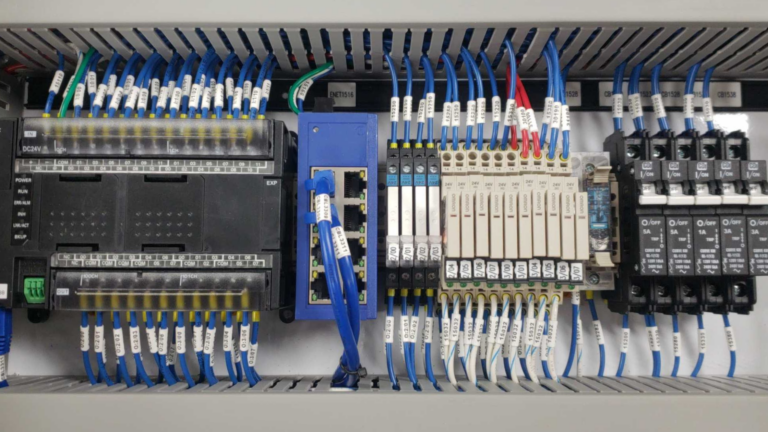
One reason facilities postpone modernization is the assumption that a PLC upgrade has to mean a complete tear-out all at once. In many cases, that’s not true.
A smart approach starts with a clear assessment of the current controls environment and the process it supports. That includes the PLC, but it should also include I/O, HMI, communications, network architecture, safety, field devices, documentation, and the day-to-day support burden on the team.
The goal is not just to replace old parts. It’s to build a system that is easier to maintain and better aligned with current production needs. Depending on the application, that may mean a phased migration tied to shutdown windows, a targeted upgrade around the highest-risk components, or a broader modernization effort that aligns with other process improvements. The right path depends on the line, the production schedule, and the long-term goals of the operation.
Planning matters as much as hardware selection. Backups, code review, testing, documentation, startup preparation, and cutover strategy all shape whether the project protects production or disrupts it. A good PLC upgrade reduces risk because it’s planned around how the line actually operates.
The Best Time for a PLC Upgrade Is Before the System Forces the Issue
We have said it before, but it is worth repeating: most PLC platforms do not fail all at once. They decline in ways that are easy to work around for longer than they should be. That is why the decision to upgrade often gets delayed until the cost of waiting is already high.
If parts availability is shrinking, troubleshooting depends on institutional knowledge, process changes are harder to implement, nuisance faults are becoming routine, visibility is limited, and support burden keeps climbing, the system is no longer just aging. It’s becoming a constraint on performance.
That is the right time to evaluate a PLC upgrade. A planned modernization effort gives manufacturers more control over timing, scope, cost, and risk than waiting for a failure to force the decision.
If your team is questioning whether an aging controls platform is still the right fit for the process, CAS can help assess the system, identify the real risks, and build an upgrade path that fits your operation.
Ready to Transform
Your Operations?
Let us help you achieve measurable success and drive innovation in your business.
Contact Cleveland Automation Systems™ today for a personalized consultation.

About the Author: Rylan Pyciak
Rylan Pyciak, CEO of Cleveland Automation Systems™, is a Systems and Control Engineering graduate from Case Western Reserve University. With expertise in PLCs, robotics, and industrial engineering, Rylan leads CAS in delivering innovative automation solutions. Passionate about mentoring future trades professionals, he combines technical knowledge with a commitment to fostering sustainable growth in manufacturing.